
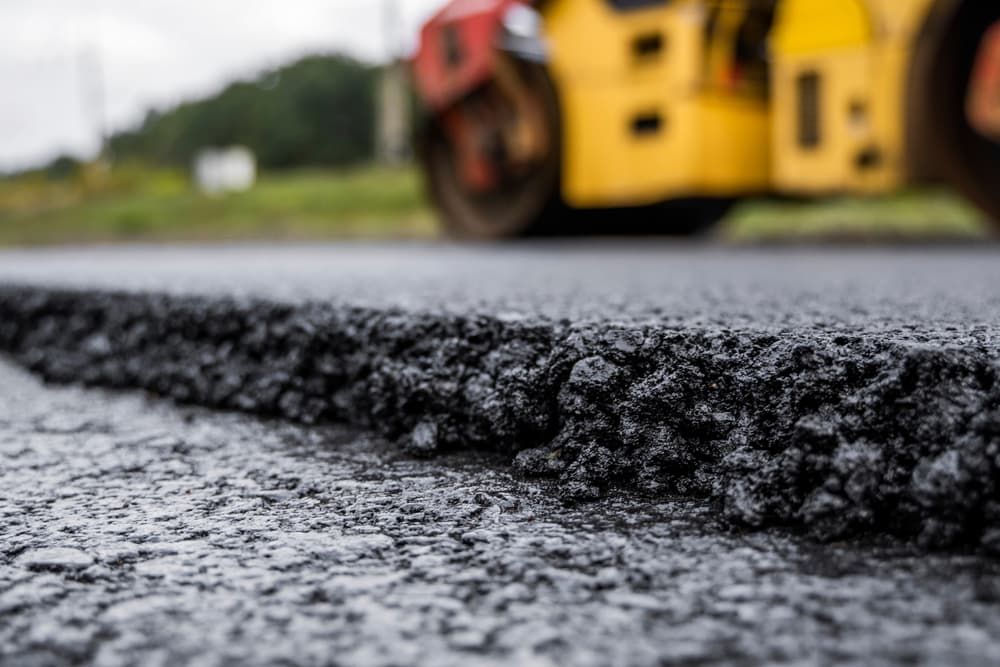
Surfaces Built to Handle Constant Traffic
Commercial Asphalt Paving in Cumberland Valley for parking lots that endure daily vehicle loads without cracking or settling
Immanuel Randolph Paving Inc. handles commercial asphalt paving across Cumberland Valley, from Chambersburg north through Carlisle, with a focus on surfaces built to withstand high-traffic conditions. The work involves full-depth installation for parking lots, business properties, and industrial sites where improper grading or weak base layers lead to premature failure. Decades of hands-on experience across South Central Pennsylvania means understanding how soil conditions, drainage patterns, and traffic volume affect long-term pavement performance.
Commercial paving requires proper subgrade preparation, compacted aggregate base, and asphalt thickness matched to expected loads. Projects include grading to direct water away from buildings and entry points, preventing the pooling that accelerates surface deterioration. The process is planned to minimize disruption to business operations, with work scheduled around operating hours and phased to maintain access where needed.
Schedule a site evaluation to review grading requirements and project timelines for your commercial property.
Why Proper Base Preparation Matters Long-Term
Base preparation determines whether pavement lasts ten years or begins failing within three. The subgrade is evaluated for stability, soft spots are excavated and replaced with compacted fill, and aggregate base is installed in lifts with roller compaction between layers. Skipping these steps or using insufficient base depth results in settlement cracks, low spots that hold water, and edge failures where pavement meets soil.
After installation, you notice water drains away from structures and flows toward designated outlets instead of pooling in low spots. The surface remains level and smooth even after freeze-thaw cycles, with no dips forming where delivery trucks or heavy equipment park. Properly compacted base prevents the rutting and cracking that occur when asphalt flexes over unstable material, extending pavement life and reducing maintenance costs.
Commercial projects also include edge details to transition cleanly to existing pavement, curbing, or landscaped areas. Grading ties into storm drains and ensures accessibility requirements are met. Thickness varies based on anticipated loads, with heavier sections specified for loading zones, truck routes, or areas where vehicles stop and turn frequently.
Questions Property Managers Ask Before Paving
Commercial paving projects often raise questions about timing, access, and what to expect during installation. The following answers address common considerations for business properties across the Cumberland Valley.
How is the project scheduled to avoid disrupting business operations?
Work is phased to maintain access where possible, with sections completed in sequence so parking remains available and entries stay open during operating hours.
What base depth is required for parking lots with regular delivery truck traffic?
Base thickness typically ranges from six to twelve inches depending on soil stability and vehicle weights, with thicker sections installed where trucks park or turn repeatedly.
How long before the new pavement can handle full traffic loads?
Asphalt is ready for light traffic within 24 hours after compaction, though heavy loads and sharp turning should be avoided for several days to allow the surface to fully cure and harden.
What causes premature cracking in commercial parking lots?
Poor drainage that allows water to infiltrate the base, insufficient compaction during installation, or base thickness inadequate for traffic loads lead to early failure and require costly repairs.
Why does pavement fail near catch basins or along edges?
These areas experience repeated stress from turning vehicles and are vulnerable to water infiltration if edge support and grading are not properly addressed during installation.
Immanuel Randolph Paving Inc. provides clear estimates and straightforward communication to help property owners plan with confidence. Request a detailed project proposal based on your site conditions and traffic requirements.