
Foundations That Support Decades of Traffic
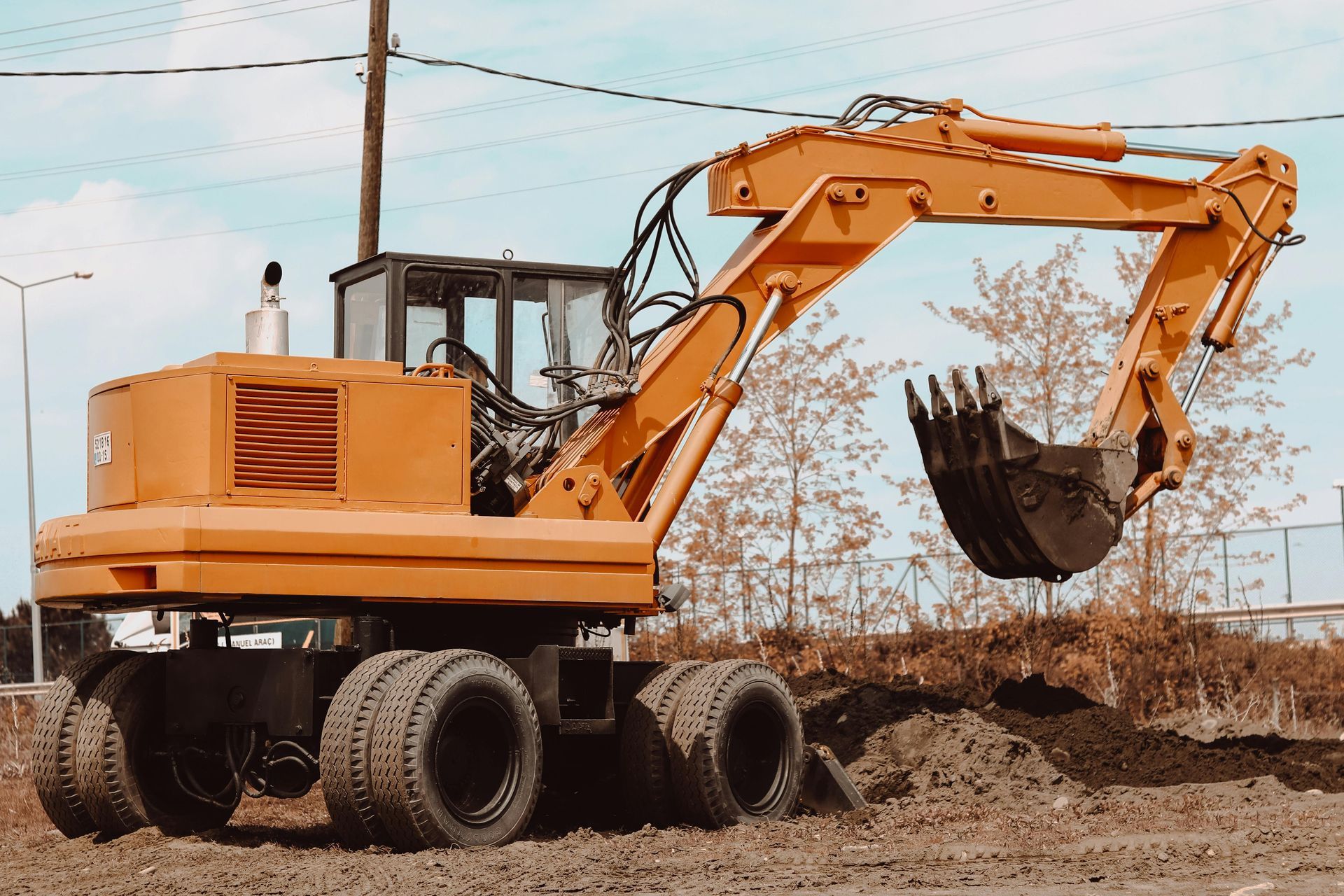
Light Excavation and Site Preparation in Cumberland Valley for commercial properties requiring stable paving foundations
Proper drainage and base stability separate parking lots that last twenty years from those that crack and settle within five. Immanuel Randolph Paving Inc. handles grading, leveling, and base preparation across Cumberland Valley commercial properties before asphalt installation begins. Local soil conditions, particularly the clay-heavy substrates common in the Chambersburg area, require specific moisture management and compaction techniques to prevent later foundation failures that telegraph through pavement as cracking and depression.
Site preparation establishes the grade that directs water away from buildings and prevents pooling that degrades pavement integrity. The process involves removing unsuitable material, establishing proper elevation transitions, and compacting base layers to specified density. Each step directly affects how well finished pavement withstands freeze-thaw cycles and heavy vehicle loads common to commercial applications.
Arrange an on-site assessment to identify grading requirements and base preparation needs before your paving project begins.
How Site Preparation Addresses Long-Term Performance
Excavation depth depends on existing soil conditions and intended traffic loads. You might need six inches of base material for light commercial traffic or twelve inches for areas handling loaded delivery trucks daily. Clay soils in this region hold moisture longer than sandy substrates, so base layers often include crushed stone that provides both structural support and drainage pathways that move water laterally away from the pavement structure.
Once preparation finishes, your property has defined drainage patterns, consistent elevation transitions, and a compacted base ready for asphalt. The surface slopes uniformly toward catch basins or designated runoff areas rather than creating low spots where water collects and accelerates pavement deterioration. Proper compaction means the base won't settle unevenly under traffic, which prevents the dips and waves that develop when subgrade preparation gets rushed.
This work happens before paving crews arrive, keeping projects on schedule and avoiding delays caused by inadequate base conditions discovered mid-installation. Coordinating excavation and paving under one contractor streamlines the process and ensures accountability for the complete pavement system rather than splitting responsibility between separate companies.
Common Questions About This Service
Property owners preparing for commercial paving projects often need clarity on preparation scope, timing considerations, and how site conditions affect the approach.
What determines how much excavation a site needs before paving?
Existing soil type, current drainage patterns, and expected traffic loads all influence excavation depth and base requirements. Sites with poor-draining clay or unstable fill require more extensive base preparation than properties with naturally firm, well-draining soil.
How does grading affect the finished parking lot's drainage performance?
Strategic grading creates positive slope away from structures and toward designated collection points, preventing water from pooling on pavement surfaces. In Cumberland Valley projects, grades typically range from one to two percent to balance effective drainage with accessible vehicle transitions.
When should site preparation happen relative to the paving schedule?
Preparation completes immediately before asphalt installation to maintain base compaction and prevent weather exposure that could saturate or disturb prepared surfaces. Coordinating these phases keeps the project moving efficiently without extended gaps between excavation and paving.
What happens to excavated material removed from the site?
Unsuitable soil and existing pavement typically get hauled off-site, while some materials may be reused as fill in non-structural areas depending on their composition and project requirements. The disposal approach depends on material type and local regulations governing construction waste.
How do local soil conditions in the Chambersburg area affect preparation methods?
Clay-heavy soils common to this region require attention to moisture content during compaction and often benefit from thicker aggregate base layers that provide drainage and prevent water from migrating upward into the pavement structure. These considerations directly influence preparation depth and material selection.
Immanuel Randolph Paving Inc. evaluates existing site conditions and coordinates preparation work to support durable commercial pavement installation. Request a project consultation to review your property's specific grading and base preparation requirements.